

Seamless Steel Pipe for Machinery: Key Considerations
A Seamless Steel Pipe for Machinery plays a critical role in manufacturing equipment, where precision, strength, and reliability are essential.
Importance of Precision in Machinery
Machinery components require accurate dimensions for proper assembly. Seamless steel pipes provide consistent geometry, ensuring compatibility in complex systems.
Mechanical Strength and Performance
Seamless pipes offer high tensile strength and fatigue resistance, making them suitable for rotating and load-bearing components.
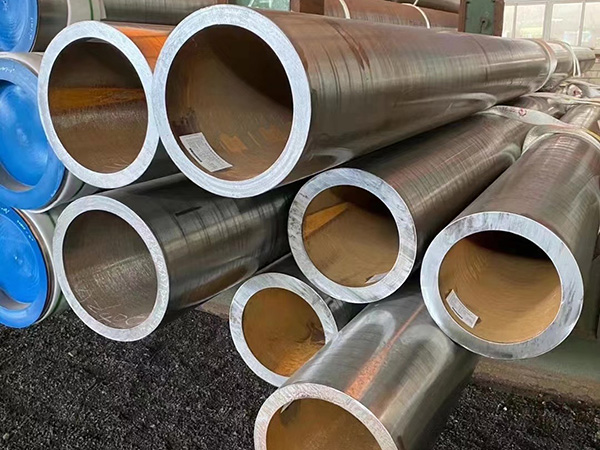
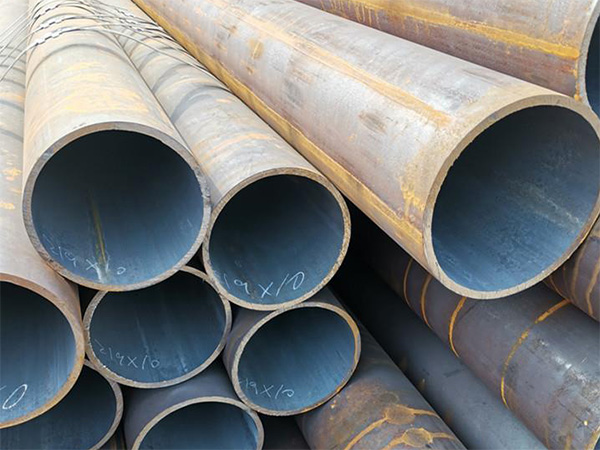
Surface Finish and Machinability
A smooth surface finish improves machinability and reduces processing time. Precision seamless pipes are often preferred for high-end machinery parts.
Resistance to Wear and Fatigue
In dynamic systems, components are subjected to continuous stress. Seamless Steel Pipe for Machinery provides long-term resistance to wear and fatigue.
Application in Hydraulic and Mechanical Systems
These pipes are widely used in hydraulic cylinders, shafts, and structural machine components.
Material Selection and Alloy Options
Different steel grades, including carbon steel and alloy steel, are used depending on performance requirements such as strength and corrosion resistance.
Dimensional Accuracy and Tolerance
Tight tolerance ensures proper fit and reduces vibration in machinery systems, improving operational efficiency.
Reliability in High-Performance Equipment
Seamless pipes are used in heavy equipment, industrial machines, and precision tools due to their reliability.
Cost vs Performance Balance
While precision pipes may have higher costs, their performance benefits justify the investment in high-end machinery applications.
Conclusion
A Seamless Steel Pipe for Machinery provides the precision, durability, and reliability required for modern manufacturing systems.
References
Kalpakjian, S., & Schmid, S. R. (2014). Manufacturing Engineering and Technology. Pearson Education.
Groover, M. P. (2020). Fundamentals of Modern Manufacturing: Materials, Processes, and Systems. Wiley.
Dieter, G. E. (1986). Mechanical Metallurgy. McGraw-Hill.