

Seamless Steel Pipe for Construction: Why It Matters
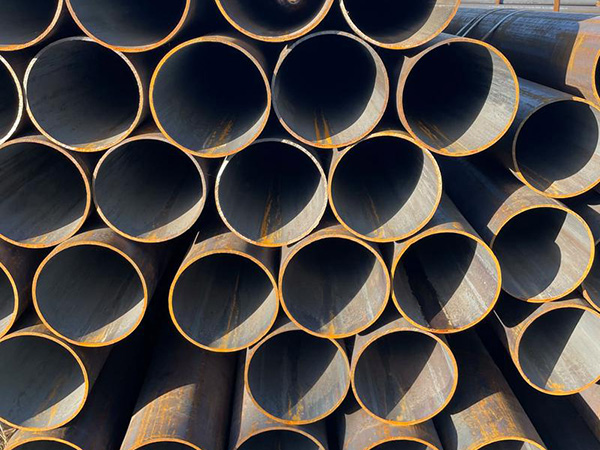
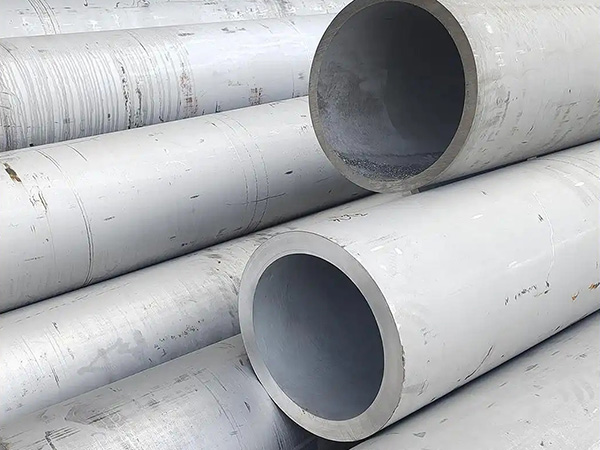
A Seamless Steel Pipe for Construction is widely used in infrastructure projects due to its superior strength, uniform structure, and ability to withstand high stress conditions.
Seamless Structure and Strength Advantage
Unlike welded pipes, seamless steel pipes have no joints or seams. This uniform structure improves strength and reduces the risk of failure under load.
Load-Bearing Capacity in Structural Applications
Construction projects require materials that can handle heavy loads. Seamless Steel Pipe for Construction provides excellent load-bearing performance, making it suitable for structural supports and frameworks.
Resistance to Pressure and Stress
Seamless pipes are capable of withstanding high internal and external pressure. This makes them ideal for applications such as piling, scaffolding, and foundation reinforcement.
Durability in Harsh Environments
Construction environments often involve exposure to moisture, temperature fluctuations, and mechanical stress. Seamless Steel Pipes offer high resistance to these conditions.
Corrosion Resistance and Coating Options
With proper coatings or alloy selection, seamless pipes can resist corrosion, extending service life in outdoor and underground applications.
Versatility in Construction Projects
Seamless Steel Pipe for Construction is used in bridges, buildings, tunnels, and infrastructure systems due to its adaptability.
Ease of Fabrication and Installation
These pipes can be cut, welded, and assembled efficiently, making them practical for large-scale construction projects.
Long-Term Cost Efficiency
Although initial costs may be higher, the durability and low maintenance requirements of seamless pipes reduce long-term expenses.
Compliance with Industry Standards
Seamless pipes used in construction must meet strict standards such as ASTM and EN specifications, ensuring reliability and safety.
Conclusion
A Seamless Steel Pipe for Construction offers strength, durability, and long-term performance, making it a preferred material in modern infrastructure projects.
References
ASTM A106 / A53 Standards
Construction Materials Handbook
World Steel Association Reports