

Hot Rolled Seamless Pipe Factory vs Supplier: Key Differences
A Hot Rolled Seamless Pipe Factory plays a critical role in industrial piping supply chains by manufacturing seamless steel pipes through high-temperature rolling processes. However, many buyers confuse the difference between a factory and a supplier when sourcing pipes for oil & gas, petrochemical, construction, and mechanical engineering projects.
Understanding these differences is essential for selecting the right procurement partner and ensuring long-term project reliability.
Understanding Hot Rolled Seamless Pipe Production
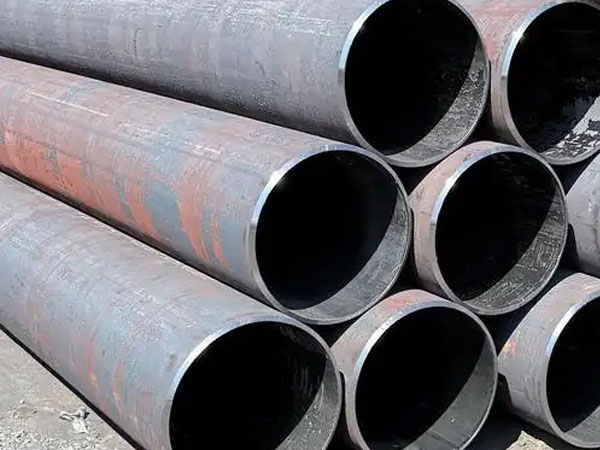
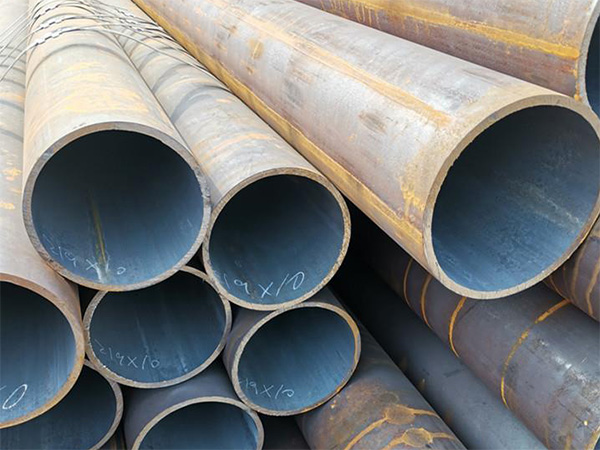
Hot rolled seamless pipes are produced by heating steel billets to elevated temperatures and forming them into hollow tubes using piercing and rolling processes. This manufacturing method creates pipes with strong mechanical properties and excellent structural integrity.
A Hot Rolled Seamless Pipe Factory typically controls the complete production workflow, including:
Billet selection
Heating process
Piercing and rolling
Heat treatment
Dimensional inspection
Non-destructive testing
Factories are directly responsible for manufacturing consistency and process stability.
Factory vs Supplier: Core Business Differences
The primary difference lies in production ownership. A factory manufactures seamless pipes internally, while a supplier primarily purchases products from multiple manufacturers and distributes them to end users.
A Hot Rolled Seamless Pipe Factory generally offers:
Direct production control
Stable material traceability
Customized specifications
Better process transparency
Suppliers, on the other hand, focus more on:
Inventory availability
Flexible sourcing
Multi-brand product integration
Faster spot delivery
Production Capability and Quality Control
Factories typically maintain dedicated quality control systems throughout the manufacturing cycle. This includes chemical composition analysis, mechanical property testing, ultrasonic inspection, and hydrostatic pressure testing.
Because a Hot Rolled Seamless Pipe Factory controls production parameters directly, it can better maintain dimensional tolerances and metallurgical consistency.
Suppliers may provide inspection certificates, but they usually depend on third-party manufacturing documentation rather than internal production monitoring.
Inventory and Delivery Flexibility
Suppliers often maintain large inventories covering multiple standards and sizes, which can shorten delivery times for urgent orders.
Factories usually require production scheduling, especially for customized specifications. However, they can offer greater flexibility for:
Special wall thickness
Non-standard dimensions
Custom steel grades
Project-based manufacturing
Choosing between a factory and supplier depends heavily on project timelines and technical requirements.
Material Traceability and Certification
Industrial sectors such as oil & gas and power generation require strict material traceability. A reliable Hot Rolled Seamless Pipe Factory can provide:
Mill test certificates (MTC)
Heat number traceability
Raw material records
Inspection reports
This level of documentation is critical for compliance with international standards such as ASTM, API, EN, and ASME.
Pricing Structure and Procurement Efficiency
Factories generally provide more competitive pricing for large-volume orders because they eliminate intermediary distribution costs.
However, suppliers may offer advantages for smaller purchases by combining products from multiple sources into consolidated shipments.
Procurement efficiency should consider:
Production lead time
Shipping logistics
Technical support
Quality assurance reliability
Technical Support and Engineering Reliability
A professional Hot Rolled Seamless Pipe Factory often provides engineering consultation regarding:
Material selection
Pressure ratings
Heat treatment requirements
Corrosion resistance performance
This technical expertise is particularly important in high-pressure and high-temperature applications.
Choosing the Right Supply Partner
For standardized inventory purchases, suppliers may offer greater convenience. For large industrial projects requiring strict quality control and custom manufacturing, working directly with a Hot Rolled Seamless Pipe Factory usually provides better long-term reliability.
Conclusion
Selecting between a supplier and a Hot Rolled Seamless Pipe Factory depends on technical requirements, project scale, delivery expectations, and quality assurance needs. Understanding these differences helps buyers make more informed sourcing decisions while reducing operational risk.
A professional Hot Rolled Seamless Pipe Factory remains essential for industries requiring strict dimensional accuracy, material traceability, and long-term mechanical reliability.
References
API Specification 5L – Line Pipe Standards
ASM Handbook: Steel Pipe Manufacturing
Journal of Materials Processing Technology
Manufacturing Engineering and Technology – Kalpakjian