

When industrial buyers need hot rolled seamless pipe, they encounter two fundamentally different supply models: purchasing directly from a factory that manufactures the product, or buying through a supplier who sources from one or more factories and resells to customers. Both models can deliver satisfactory outcomes, but they differ in ways that matter for different buying situations. Understanding these differences helps procurement decision-makers choose the right sourcing approach for each purchase scenario rather than defaulting to habit or assumptions.
What a Factory Actually Does
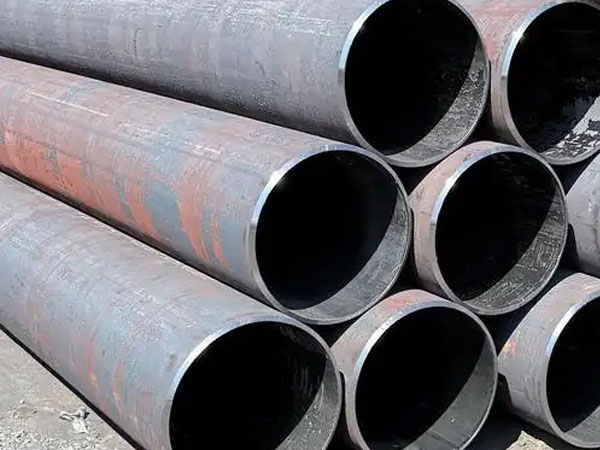
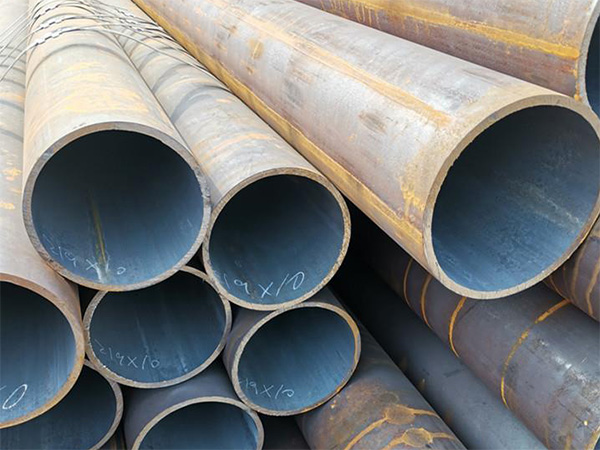
A hot rolled seamless pipe factory transforms raw steel into finished tubular products through a sequence of manufacturing operations that it controls directly. The factory receives steel in billet or bar form, reheats it to piercing temperature, pierces it to create a hollow shell, elongates and sizes it through rolling stands, applies heat treatment as required, and conducts non-destructive testing and hydrostatic verification before the pipe ships. Every step in this sequence happens under the factory's operational management.
This direct control over production creates several practical advantages. Process parameters can be adjusted to optimize for specific customer requirements. Quality issues can be identified and corrected during production rather than after inspection at a downstream distribution point. Traceability from finished product back to specific heat numbers and production conditions is inherent rather than reconstructed through documentation transfers between parties.
Factory operations require significant capital investment in production equipment, heat treatment facilities, and testing infrastructure. This investment creates meaningful barriers to entry and shapes the competitive landscape. Factories that have made these investments must maintain high utilization rates to cover fixed costs, which influences their pricing behavior and their appetite for small orders or non-standard specifications.
What a Supplier Brings to the Transaction
A pipe supplier operates a different business model—one centered on market access, inventory management, and customer service rather than manufacturing capability. The supplier aggregates demand across multiple customers, consolidates orders to factories in quantities that make production economically attractive, maintains inventory for rapid release, and provides logistics, documentation, and technical support services that factories are often poorly positioned to offer.
The inventory function represents the supplier's most tangible value for many buyers. A supplier holding stock of common sizes and grades can release material within days rather than the weeks that production lead times require. This inventory depth provides scheduling flexibility that purely production-based supply cannot match, particularly for buyers with variable demand patterns or projects with compressed schedules.
Beyond inventory, capable suppliers add value through technical knowledge of the products they trade, specification guidance that helps buyers select appropriate materials, documentation management that ensures MTRs arrive with shipments, and problem resolution when quality or delivery issues arise. The quality of these services varies enormously across the supplier population—some invest meaningfully in technical capability while others merely transact without adding substantive value.
Quality Control: Where the Differences Show
Quality assurance depth differs substantially between manufacturing and trading operations. A factory's quality system addresses every production variable: raw material inspection, process parameter control, in-process monitoring, final testing, and documentation. When problems occur, the factory has direct access to the production records and process conditions that explain what went wrong and what corrective action prevents recurrence.
A supplier's quality system addresses different challenges: incoming verification that purchased material meets specifications, inventory storage conditions that prevent damage or deterioration, documentation accuracy when repackaging or relabeling material, and complaint management when customers report problems. The supplier depends on factory quality systems to catch defects before shipment—their own verification, while valuable, cannot correct problems that originated in manufacturing.
For demanding applications where specification compliance is critical, sourcing directly from a factory often provides better quality assurance because fewer parties are involved in the quality chain. For commodity applications where standard specifications apply and material from any qualified mill satisfies requirements, supplier sourcing introduces acceptable risk while providing convenience advantages.
Lead Time and Availability Differences
Production lead times from a hot rolled seamless pipe factory typically range from 6 to 16 weeks depending on size, grade, and current production scheduling. A factory running near capacity may quote lead times at the longer end of this range or decline orders that fall outside their current production plan. The buyer who sources directly from a factory commits to these lead times in exchange for potentially better pricing on large orders.
A supplier with inventory can often release from stock within days, providing the fastest path from purchase order to material receipt. The inventory investment that enables this rapid release represents working capital that the supplier ties up, and the carrying cost of that inventory influences the supplier's pricing. For urgent requirements, the premium that inventory-carrying suppliers command often pays for itself through schedule recovery.
The optimal sourcing strategy varies with urgency and order size. For urgent small orders, a stocked supplier typically provides the best combination of availability and service. For large orders with acceptable lead times, direct factory sourcing often provides better pricing. The buyer who understands these tradeoffs makes sourcing decisions that balance cost, availability, and service against actual project requirements.
When to Choose Factory Direct Versus Supplier Sourcing
Factory direct sourcing makes sense when: order quantities are large enough to justify dedicated production runs or mill slot commitments; specifications are non-standard or require close manufacturing oversight; traceability requirements demand direct factory documentation without intermediary involvement; technical collaboration with production engineering benefits specification development; or when the buyer's quality system requires direct supplier relationships for critical materials.
Supplier sourcing makes sense when: material is needed quickly from available inventory; the product is standard and widely available across multiple mills; order quantities are too small to interest factories directly; the supplier provides technical specification support that the buyer lacks internally; or when bundling multiple product types into single orders reduces logistics complexity and transaction costs.
Many industrial buyers use both models simultaneously—maintaining direct relationships with factories for critical or large-scale requirements while using suppliers for commodity purchases and urgent needs. This dual-sourcing strategy optimizes cost and availability across the full procurement portfolio while maintaining the supplier relationships that each category requires.
Evaluating Either Source: Common Criteria That Apply
Whether sourcing from a hot rolled seamless pipe factory or a supplier, certain evaluation criteria apply consistently. Quality certifications—ISO 9001 minimum, API Q1 or API 5L monogram where applicable—document operational discipline regardless of whether the organization manufactures or trades. Documentation practices, particularly Mill Test Report completeness and accuracy, reveal quality system effectiveness and traceability rigor.
Financial stability and commercial track record matter for both models. A factory facing financial distress may cut corners on quality or fail to deliver; a supplier in similar circumstances may source from marginal mills to reduce cost. Reference checks, financial review, and ongoing performance tracking provide the commercial intelligence that protects against these risks.
Technical capability—whether demonstrated by in-house metallurgical expertise at a factory or by experienced product specialists at a supplier—creates value beyond the transaction itself. The organization that can help buyers select the right specification, identify potential application issues, and resolve problems when they occur provides partnership value that unit price comparisons cannot capture.
Conclusion
The choice between a hot rolled seamless pipe factory and a supplier is not a binary judgment about which model is universally better. Each provides genuine value in specific contexts. Factory direct sourcing offers manufacturing control, traceability, and pricing advantages that suit large orders and demanding specifications. Supplier sourcing offers inventory availability, convenience, and service advantages that suit urgent needs and commodity purchases.
Industrial buyers who understand these differences—and match their sourcing approach to actual purchase requirements—achieve better total cost outcomes than those who default to habit or who evaluate all sources through the same criteria regardless of their different operating models. The goal is not to prefer one model over the other but to use each where it creates the most value.
Frequently Asked Questions
Q: Does buying directly from a hot rolled seamless pipe factory always cost less?
A: Not always. While factory direct eliminates the supplier margin, the buyer assumes responsibilities that suppliers typically handle: inventory management, logistics coordination, documentation handling, and specification support. For small orders, the per-unit price advantage may not offset these added costs. Factory direct pricing also typically requires larger order quantities and longer lead times than supplier pricing for equivalent material.
Q: Can a pipe supplier provide the same quality assurance as a factory?
A: A capable supplier can verify that purchased material meets specifications through incoming inspection, but they cannot correct manufacturing defects that originated in production. For demanding applications, direct factory sourcing provides better quality assurance because the factory controls every step of production. A supplier adds value through verification and documentation rather than manufacturing quality control.
Q: When should I use a supplier instead of sourcing directly from a factory?
A: Use a supplier when you need material quickly from existing inventory, when order quantities are too small for direct factory interest, when you need multiple product types consolidated into single orders, or when the supplier provides technical specification support that your team lacks. Supplier sourcing optimizes for convenience and availability; factory direct optimizes for price and manufacturing oversight on larger commitments.
Q: How do I verify quality when buying from a supplier who sources from multiple factories?
A: Verify supplier quality through their certifications, incoming inspection practices, MTR handling procedures, and reference experience in comparable applications. Request Mill Test Reports that clearly identify the source factory and heat numbers. For critical applications, specify the source mill if consistency matters, or require pre-shipment inspection by a third-party agency.
Q: Can I combine factory and supplier sourcing for different purchase categories?
A: Yes—this dual-sourcing approach is common among experienced industrial buyers. Maintain direct relationships with factories for large orders and demanding specifications; use suppliers for commodity purchases and urgent needs. This approach optimizes cost and availability across the full procurement portfolio while maintaining the supplier relationships each category requires.
References
ASTM International. (2024). ASTM A106/A106M-24: Standard Specification for Seamless Carbon Steel Pipe for High-Temperature Service. West Conshohocken, PA.
American Petroleum Institute. (2024). API Spec 5L, 47th Edition: Specification for Line Pipe. Washington, DC.
ISO. (2024). ISO 9001:2015 Quality Management Systems—Requirements. Geneva, Switzerland.
API. (2023). API Q1: Quality Management System Requirements for API Monogram Licensees. Washington, DC.
Chopra, S.K. & Saigal, R. (2023). "Supply Chain Management in Industrial Tubular Products." Journal of Industrial Procurement, 18(2), 112-128.