

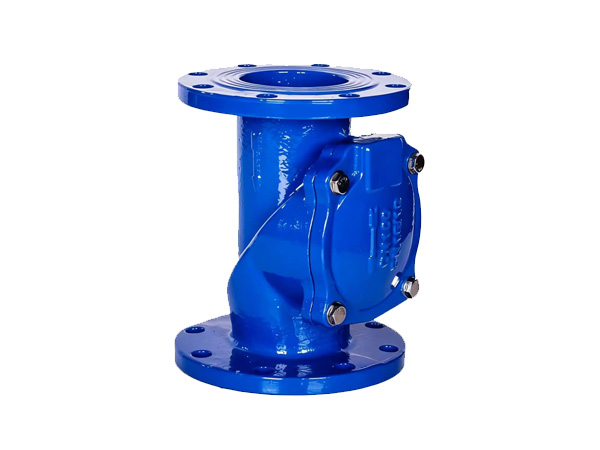
Butterfly Valve
A butterfly valve is a quarter‑turn rotary valve used for isolating,throttling,and regulating the flow of liquids,gases,steam,and slurries in low‑pressure to medium‑pressure piping systems.Recognized for its lightweight design,compact...
A butterfly valve is a quarter‑turn rotary valve used for isolating,throttling,and regulating the flow of liquids,gases,steam,and slurries in low‑pressure to medium‑pressure piping systems.Recognized for its lightweight design,compact dimensions,fast operation,and cost efficiency,it is one of the most widely applied valves in water treatment,HVAC,power generation,marine,and general industrial applications.
The structure of a butterfly valve is simple and efficient.It consists of a cylindrical body,a rotating disc(butterfly),a stem,and a seat seal.When the disc is rotated 90 degrees around the stem,it either aligns with the flow path to allow full passage or blocks the passage to shut off flow completely.Partial rotation enables precise flow regulation,making the valve suitable for both on‑off service and moderate throttling control.
Butterfly valves are typically categorized into three main types:concentric(double‑flanged),double‑eccentric,and triple‑eccentric.Concentric butterfly valves feature a disc centered on the stem,offering economical performance for water,air,and low‑pressure services.Double‑eccentric designs reduce seat wear and improve sealing,suitable for higher pressures and temperatures.Triple‑eccentric butterfly valves use a canted disc and metal seat,providing bubble‑tight shutoff and excellent performance in high‑pressure,high‑temperature applications such as steam and hydrocarbon systems.
Sealing materials vary according to service conditions.Common seat materials include EPDM,Nitrile(NBR),Viton,PTFE,and stainless steel for metal‑seated designs.Valve bodies are commonly made from cast iron,ductile iron,carbon steel,stainless steel,aluminum,or plastic,ensuring compatibility with water,wastewater,chemicals,oil,gas,and abrasive media.Connection styles include wafer,lug,flanged,and threaded,allowing flexible installation in various pipeline setups.
Compared to gate valves and ball valves,butterfly valves offer significant advantages.They are lighter,require less installation space,and open or close quickly with minimal operating torque.Their simple construction results in lower initial cost and easier maintenance.In large‑diameter pipelines,butterfly valves are far more practical and affordable than comparable valve types,making them the preferred choice for water distribution networks,cooling systems,and ventilation ducts.
However,standard concentric butterfly valves are generally not recommended for extreme high‑pressure or high‑temperature services without specialized design.Proper selection of disc material,seat type,and pressure class is essential to avoid leakage,premature wear,or flow instability.
Today,butterfly valves are indispensable in municipal engineering,chemical plants,power stations,shipbuilding,and fire protection systems.Their combination of compactness,speed,reliability,and affordability has secured their position as a foundational component in modern fluid control systems.