

The choice between stainless steel pipe and carbon steel pipe is rarely a question of which material is "better." It is a question of which material fits the service environment, the budget, and the expected lifecycle. Carbon steel is the default for the vast majority of piping systems worldwide because it is strong, available, and inexpensive. Stainless steel is specified where carbon steel would fail—through corrosion, contamination, or degradation—and where the higher first cost is recovered through extended life and eliminated maintenance. This comparison examines the factors that separate the two materials and provides a framework for choosing correctly.
Composition and Basic Nature
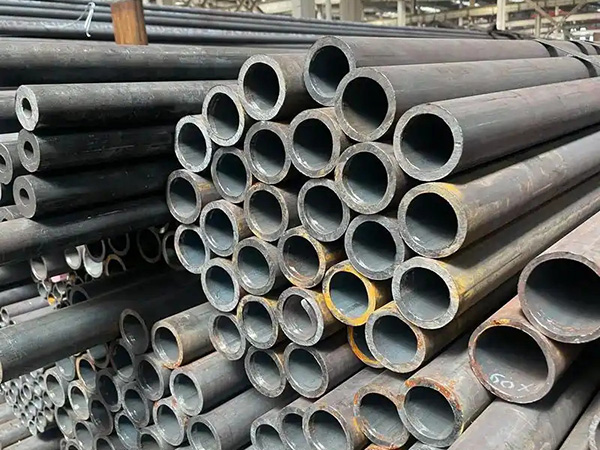
Carbon steel pipe is essentially iron with a small controlled carbon content (up to about 1.2 percent) and minimal deliberate alloying beyond manganese, silicon, and trace elements. Its strength comes from the iron-carbon lattice and, in higher grades, from microalloying and heat treatment. It has no inherent corrosion resistance and relies on coatings, linings, or cathodic protection to survive corrosive environments.
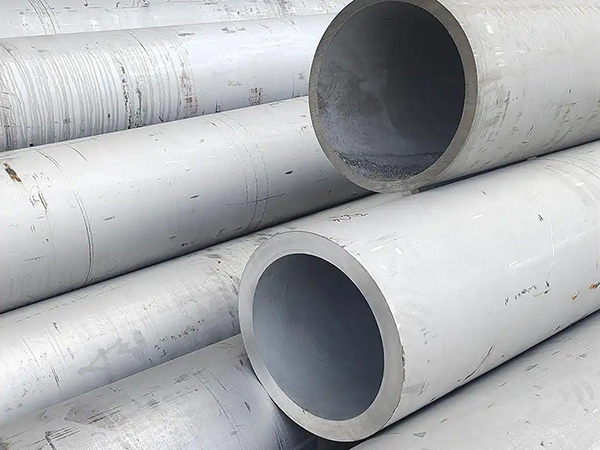
Stainless steel pipe is an iron-chromium-nickel (and sometimes molybdenum) alloy containing at least 10.5 percent chromium, which forms a passive oxide film that protects the surface from corrosion. The most common grades for pipe are the austenitic 304 and 316 families. The passive film is self-healing in the presence of oxygen, which is why stainless performs well in many exposed environments without additional protection.
Corrosion Resistance: The Decisive Factor
Corrosion resistance is the primary reason to pay the premium for stainless. Carbon steel corrodes readily in moist air, water, and most chemicals, requiring protective systems that add cost and demand maintenance. In untreated or poorly protected service, carbon steel pipe can lose wall thickness to corrosion at rates that threaten integrity within years.
Stainless steel resists corrosion through its passive film. Grade 304 handles atmospheric, fresh-water, and many food and architectural environments. Grade 316 adds molybdenum for chloride and chemical resistance, serving marine, coastal, and process applications. Neither is immune—stainless can suffer pitting, crevice corrosion, and stress corrosion cracking under the wrong conditions—but for the environments where carbon steel fails, stainless provides a reliable alternative.
The practical implication: if the service environment is corrosive and cannot be economically protected, stainless is not a luxury but a necessity. If the environment is benign and protective systems are practical, carbon steel is the rational choice.
Cost: First Cost Versus Lifecycle Cost
Stainless steel pipe typically costs several times more than carbon steel pipe of the same size and schedule—the material premium commonly falls in the range of roughly two to four times the carbon steel price, varying with nickel and alloy markets. This first-cost gap is the reason carbon steel remains dominant where corrosion is manageable.
The lifecycle calculation changes the picture. Carbon steel in corrosive service requires coatings, linings, cathodic protection, inspection, and eventual replacement. Stainless, where correctly specified, requires minimal corrosion-related maintenance and lasts the design life without wall loss. Over a 20- to 30-year horizon in a corrosive environment, the total cost of ownership of stainless can be lower than carbon steel once protection, inspection, and replacement are counted. The decision therefore depends on the service life, the corrosion rate, and the cost of intervention—not on first price alone.
Mechanical Strength and Pressure Capability
A common misconception is that stainless is stronger than carbon steel. In terms of yield strength for the common grades, the difference is not decisive. Carbon steel pipe grades such as ASTM A106 Grade B have a minimum yield strength of about 240 MPa. Austenitic stainless grades such as 304 and 316 have minimum yield strengths around 205 to 215 MPa—slightly lower, not higher. For pressure design, the allowable stress (which includes temperature derating) determines the rating, and both materials cover the same pressure ranges through wall thickness and grade selection.
Where high strength at elevated temperature is required, carbon steel alloy grades (such as A335 P11, P22, P91) and duplex stainless grades exceed the common austenitic stainless. The material choice for strength follows the temperature and pressure envelope, not a simple "stainless is stronger" assumption.
Temperature Limits
Carbon steel performs well from cryogenic temperatures up to moderate elevated temperatures (with appropriate grade selection, such as A333 for low-temperature service and alloy grades for high-temperature service). It loses strength progressively at high temperatures and is not suitable for the upper range of process temperatures without alloying.
Austenitic stainless retains useful strength and oxidation resistance at higher temperatures than carbon steel and resists scaling in oxidizing atmospheres. However, standard 304 and 316 can suffer sensitization in the 425°C to 815°C range if not low-carbon, and they are susceptible to sigma phase formation at the upper end of their useful range. For very high-temperature service, specialized grades or alloy steels are selected. Both materials cover broad temperature ranges; the choice follows the specific envelope.
Weldability and Fabrication
Both materials are readily weldable, but with different considerations. Carbon steel welding is straightforward with standard procedures, though high-carbon and alloy grades require preheat and post-weld heat treatment to avoid cracking. Stainless steel welding requires controlled heat input and shielding gas to preserve the passive film and avoid sensitization; low-carbon grades (316L, 304L) minimize this concern. Stainless work-hardens during machining and forming, requiring appropriate tooling and feeds.
Fabrication cost for stainless is typically higher than carbon steel due to slower machining, specialized consumables, and contamination control. These factors contribute to the installed-cost premium beyond the raw material price.
Weight and Density
Stainless steel is denser than carbon steel—about 8.0 g/cm³ for 316 and 7.93 for 304, versus 7.85 for carbon steel. For the same dimensions, stainless pipe weighs roughly 1 to 2 percent more. This small difference matters in weight-critical designs such as offshore topsides and aerospace, where the cumulative mass affects structure and lifting, but is generally negligible in land-based plant.
Appearance and Hygiene
Stainless steel's clean, non-porous, and corrosion-resistant surface makes it the standard for sanitary, food, pharmaceutical, and architectural applications where appearance and cleanability are requirements. Carbon steel cannot meet these without coating, which defeats the hygienic or aesthetic purpose. In applications where the visible or contact surface matters, stainless is often specified regardless of corrosion alone.
Decision Framework: Which to Specify
A structured approach to choosing between stainless and carbon steel pipe:
Environment: If chlorides, chemicals, or moisture will corrode carbon steel faster than the protection system can manage, specify stainless (304 for mild, 316 for chloride/chemical). If the environment is benign or protectable, carbon steel is preferred.
Contamination: If product purity or hygiene is required (food, pharma, beverage), stainless is the default.
Budget and lifecycle: If first cost dominates and service life is short or protection is practical, carbon steel. If lifecycle cost over decades in corrosive service is the measure, stainless often wins.
Appearance: If the exposed surface matters, stainless.
Pressure and temperature: Both materials cover standard envelopes; select grade within each family based on the specific envelope rather than assuming one material is stronger.
The correct answer for most systems is carbon steel, with stainless reserved for the locations and services where its properties are necessary. Over-specifying stainless adds cost without benefit; under-specifying it in corrosive service creates failures that cost far more than the material premium.
Relation to Grade and Schedule Selection
Once the material family is chosen, the specific grade and schedule still require selection based on pressure and environment. Our guides to 316 stainless steel pipe and to seamless steel pipe schedules cover those decisions in detail. The material family decision addressed here is the prerequisite to those selections.
Conclusion
The comparison of stainless steel pipe vs carbon steel pipe is not a contest of merit but a matching of material to service. Carbon steel is strong, available, and economical, and it serves the majority of piping systems where corrosion can be managed by protection or where the environment is benign. Stainless steel is specified where carbon steel would corrode, contaminate, or degrade—marine, chemical, sanitary, and architectural service—and where its higher first cost is recovered through extended life and eliminated maintenance. The decision should be made on service environment, lifecycle cost, and contamination requirements rather than on first price or the misconception that stainless is inherently stronger.
For procurement, the discipline is to reserve stainless for the services that require it and to specify the correct grade (304 or 316) and schedule within that family, while using carbon steel where it is adequate. This balanced approach minimizes total cost without compromising integrity. For material selection support across stainless and carbon steel pipe products matched to specific service conditions, the engineering team at Hebei Tianyuan Pipeline Equipment Co., Ltd. can provide recommendations based on the operating environment.
FAQ
Q: Is stainless steel pipe stronger than carbon steel pipe?
A: Not in a simple sense. Common austenitic stainless grades (304, 316) have minimum yield strengths around 205–215 MPa, slightly below carbon steel grades such as A106 Grade B at about 240 MPa. Pressure capability is determined by allowable stress, wall thickness, and temperature, and both material families cover standard pressure ranges through grade and schedule selection. Strength is not the reason to choose stainless; corrosion resistance is.
Q: Why does stainless steel pipe cost more than carbon steel pipe?
A: Stainless contains chromium, nickel, and often molybdenum—alloying elements that are costly—and its fabrication (machining, welding, contamination control) is more demanding. The raw material premium typically runs roughly two to four times the carbon steel price. Over a long service life in corrosive environments, however, eliminated coating, inspection, and replacement costs can make stainless competitive on total lifecycle cost.
Q: Can carbon steel pipe be used instead of stainless to save cost?
A: Only where the environment is benign or where corrosion can be managed economically by coating, lining, or cathodic protection. In chloride, chemical, sanitary, or marine service where carbon steel would corrode or contaminate, substituting carbon steel creates failure and contamination risk that outweighs the material savings. Match the material to the service, not to the budget alone.
Q: Which stainless grade should I choose if I decide on stainless?
A: Grade 304 suits atmospheric, fresh-water, food, and architectural service with minimal chlorides. Grade 316, with 2–3% molybdenum, is required for marine, coastal, chemical-chloride, and pharmaceutical service where pitting and crevice corrosion would affect 304. The grade selection follows the chloride and chemical exposure of the specific environment.
Q: Does stainless steel pipe weigh more than carbon steel pipe?
A: Slightly. Stainless density is about 7.93 g/cm³ (304) to 8.00 g/cm³ (316) versus 7.85 g/cm³ for carbon steel, so the same dimensions weigh roughly 1 to 2 percent more. The difference is negligible in most land-based plant but can matter in weight-critical offshore or aerospace designs.
References
ASTM International. (2024). ASTM A106/A106M-24: Standard Specification for Seamless Carbon Steel Pipe for High-Temperature Service. West Conshohocken, PA.
ASTM International. (2024). ASTM A312/A312M-24: Standard Specification for Seamless and Welded Austenitic Stainless Steel Pipe. West Conshohocken, PA.
ASM International. (2023). ASM Specialty Handbook: Stainless Steels. Materials Park, OH.
American Society of Mechanical Engineers. (2023). ASME B31.3: Process Piping. New York, NY.
Sedriks, A. J. (1996). Corrosion of Stainless Steels (2nd ed.). John Wiley & Sons, New York.