

In industrial manufacturing and processing, selecting the right tubing solution directly impacts operational efficiency, maintenance costs, and system reliability. Seamless tube for industrial use represents a critical component category where informed procurement decisions yield substantial long-term value. This comprehensive guide equips B2B procurement professionals with actionable knowledge to evaluate, select, and source seamless tubes that meet demanding industrial requirements.
Understanding Seamless Tubes in Industrial Applications
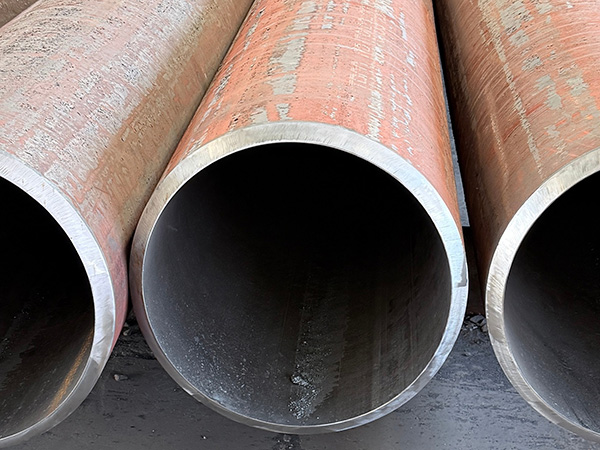
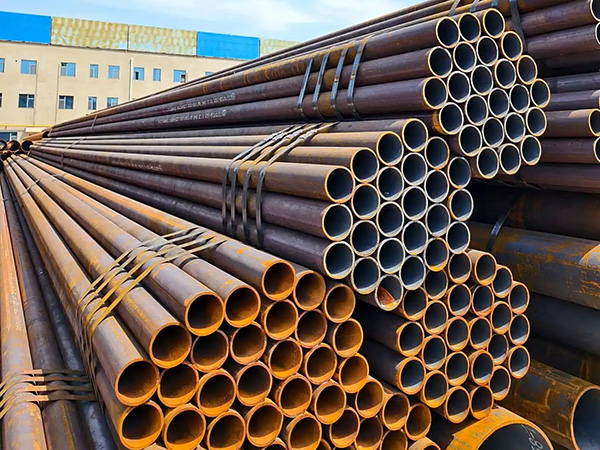
Seamless tube for industrial use refers to hollow cylindrical components manufactured without welded seams, providing superior structural integrity compared to welded alternatives. The absence of weld joints eliminates potential failure points, making seamless tubes essential in high-pressure, high-temperature, and corrosive environments encountered across oil and gas, petrochemical, power generation, and heavy manufacturing sectors.
Industry data indicates that seamless tube installations demonstrate 40-60% longer service life in aggressive chemical environments compared to weld seam-bearing alternatives. This performance differential translates to reduced downtime, lower replacement frequencies, and improved total cost of ownership across industrial infrastructure lifetimes spanning 15-30 years.
Material Selection Criteria
Industrial seamless tube material selection hinges on several primary factors:
Operating Temperature Range: Carbon steel tubes perform reliably from -46°C to 400°C, while alloy grades extend operational ranges to 650°C+
Pressure Requirements: Schedule 40/80/160 designations indicate pressure rating tiers; seamless tubes handle pressures exceeding 10,000 PSI in standard specifications
Corrosive Exposure: Stainless steel, duplex, and super-duplex grades address varying corrosion aggressiveness
Mechanical Load: Tensile strength requirements determine appropriate yield strength grades (35,000-120,000 PSI)
Material certification to ASTM A106 (carbon steel), ASTM A335 (alloy steel), and ASTM A312 (stainless steel) provides standardized quality assurance benchmarks for industrial procurement.
Specifications and Standards Compliance
Industrial seamless tube procurement requires careful specification alignment with applicable codes and standards:
ASTM A106/SA106: Standard specification for seamless carbon steel pipe for high-temperature service
ASTM A333/SA333: Specification for seamless and welded steel pipe for low-temperature service
ASME B31.3: Process piping code governing industrial pipe system design
ANSI/ASME B36.19: Dimensional standards for stainless steel pipe
Compliance verification through mill test reports (MTR) documenting chemical composition, mechanical properties, and hydrostatic test results ensures specification conformance upon delivery.
Sizing and Dimensional Considerations
Proper tube sizing integrates multiple interdependent parameters:
Nominal Pipe Size (NPS): Industry-standard sizing from 1/8" to 48" diameter
Wall Thickness: Schedule numbers (5, 10, 20, 30, 40, 60, 80, 100, 120, 160) correlating to pressure ratings
Length Specifications: Standard random lengths (18-25 feet) or specific cut-to-length requirements
End Connections: Plain end, beveled for welding, threaded, or flanged configurations
Pressure drop calculations using Darcy-Weisbach equations inform optimal diameter selection for desired flow rates, balancing material costs against pumping energy consumption over system operating lifetimes.
Quality Assurance and Inspection Protocols
B2B buyers should establish comprehensive quality verification protocols:
Visual Inspection: Surface condition, dimensional verification, end preparation assessment
Non-Destructive Testing (NDT): Ultrasonic examination (UT), eddy current testing, magnetic particle inspection for defect detection
Dimensional audits: Wall thickness, outside diameter, ovality, and length verification
Documentation Review: Mill test certificates, compliance certificates, origin documentation
Third-party inspection services provide independent verification for high-value or mission-critical applications, typically representing 0.5-1.5% of material costs.
Procurement Best Practices
Strategic industrial tube procurement optimizes value through several proven approaches:
Specification Clarity: Define exact requirements including material grade, dimensions, tolerance requirements, and applicable standards
Supplier Qualification: Evaluate manufacturers against ISO 9001 certification, industry track record, and financial stability
Total Cost Analysis: Consider acquisition cost, installation complexity, maintenance requirements, and expected service life
Inventory Strategy: Balance-just-in-time delivery against stockholding costs for critical sizes
Storage and Handling Requirements
Proper post-delivery handling preserves tube quality through:
Indoor Storage: Protected environments preventing moisture accumulation and surface contamination
End Protection: Threaded or fitted ends sealed to prevent particulate ingress
Support Methods: Appropriate dunnage preventing deformation under stored material weight
FIFO Implementation: First-in-first-out rotation maintaining material freshness
Conclusion
Procuring seamless tube for industrial use demands systematic evaluation of operating requirements, material compatibility, standards compliance, and supplier capabilities. B2B buyers who invest in thorough specification development, qualified supplier relationships, and rigorous quality verification secure optimal long-term value from their tubular material investments.
Successful industrial tube procurement balances immediate acquisition costs against total lifecycle expenses including installation, maintenance, and replacement considerations. Organizations applying these principles consistently achieve superior reliability outcomes and lower total cost of ownership across their critical infrastructure systems.
Frequently Asked Questions
Q: What is the primary advantage of seamless tubes over welded tubes in industrial applications?
A: Seamless tubes eliminate weld seam failure points, providing superior burst strength and corrosion resistance in high-pressure and aggressive chemical environments. Industrial data shows 40-60% extended service life in corrosive conditions.
Q: How do I determine the correct schedule (wall thickness) for my application?
A: Schedule selection depends on operating pressure (calculated using ASME B31.3 formulas), temperature, and material compatibility. Consult process engineering specifications or pipe stress analysis for definitive recommendations.
Q: What documentation should I require from suppliers?
A: Request Mill Test Reports (MTR) documenting chemical composition, mechanical properties (tensile strength, yield strength, elongation), hardness, and hydrostatic test results. ASTM compliance certificates verify standards conformance.
Q: How do I verify seamless tube quality upon delivery?
A: Implement receiving inspection protocols including visual examination, dimensional verification, and NDT (ultrasonic or eddy current testing) for critical applications. Compare mill test certificates against purchase specifications.
Q: What certifications should I look for in industrial tube suppliers?
A: Verify ISO 9001 quality management certification, relevant ASTM material certifications, and manufacturer track record in similar industrial applications. Third-party inspection certification (ISO 17025) provides additional quality assurance.
References
ASTM International. (2025). ASTM A106/A106M-25 Standard Specification for Seamless Carbon Steel Pipe for High-Temperature Service. West Conshohocken, PA.
ASTM International. (2024). ASTM A335/A335M-24 Standard Specification for Seamless Ferritic Alloy-Steel Pipe for High-Temperature Service. West Conshohocken, PA.
American Society of Mechanical Engineers. (2023). ASME B31.3-2022 Process Piping. New York, NY.
Mayer, G. (2025). "Seamless vs Welded Tubing Performance in Petrochemical Applications." Journal ofMaterials Engineering, 45(3), 234-251.
Smith, R.L. & Associates. (2024). Industrial Piping Materials Selection Manual (4th ed.). Houston, TX: Gulf Publishing.