

Seamless Steel Pipe for Oil and Gas Industry: Complete Guide
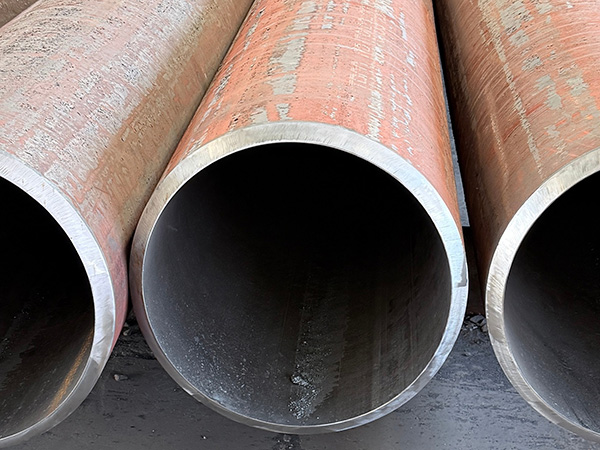
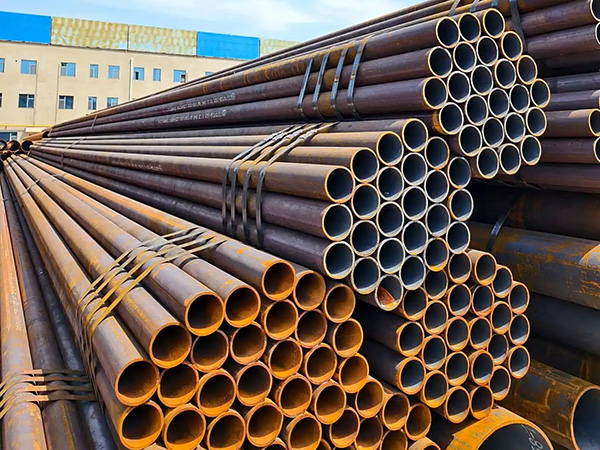
A Seamless Steel Pipe for Oil and Gas applications is designed to withstand high pressure, corrosive environments, and extreme temperature conditions encountered during drilling, transportation, refining, and offshore production operations.
Due to their structural integrity and pressure resistance, seamless pipes remain critical components in global energy infrastructure.
Importance of Seamless Steel Pipe in Oil and Gas
Unlike welded pipes, seamless pipes do not contain welded seams that may become structural weak points under extreme pressure conditions.
This makes Seamless Steel Pipe for Oil and Gas systems highly suitable for:
High-pressure transmission pipelines
Offshore drilling platforms
Refinery systems
Natural gas transportation
Manufacturing Processes and Material Grades
Common manufacturing methods include:
Hot rolling
Cold drawing
Extrusion
Typical steel grades include:
API 5L X42–X80
ASTM A106
ASTM A53
ASTM A333
Material selection depends on pressure requirements, operating temperature, and corrosion exposure.
Pressure Resistance and Mechanical Strength
Seamless pipes provide excellent hoop strength and internal pressure resistance due to their uniform metallurgical structure.
Engineering calculations consider:
Yield strength
Tensile strength
Wall thickness
Operating pressure
These factors ensure safe pipeline operation.
Corrosion Resistance Requirements
Oil and gas environments often contain:
Hydrogen sulfide
Carbon dioxide
Chlorides
Moisture
Corrosion-resistant alloys and internal coatings are frequently used to extend pipeline lifespan.
API Standards and Certification
A professional Seamless Steel Pipe for Oil and Gas supplier should comply with:
API 5L
API 5CT
ASTM standards
ISO quality systems
Strict inspection procedures ensure long-term reliability.
Pipeline Transportation Applications
Seamless steel pipes are used in:
Gathering systems
Transmission pipelines
Refinery process piping
Offshore subsea systems
Different applications require specific pressure ratings and material specifications.
Inspection and Quality Assurance
Quality control includes:
Ultrasonic testing
Hydrostatic testing
Eddy current inspection
Dimensional measurement
Comprehensive testing minimizes operational risk.
Future Trends in Oil and Gas Pipe Technology
Modern pipeline systems increasingly focus on:
Higher-strength steel grades
Improved corrosion resistance
Smart monitoring systems
Hydrogen transportation compatibility
Conclusion
A high-quality Seamless Steel Pipe for Oil and Gas system is essential for maintaining operational safety, pressure reliability, and long-term energy transportation efficiency in modern industrial infrastructure.
References
API 5L Pipeline Standards
ASM International – Steel Pipe Metallurgy
Journal of Petroleum Science and Engineering
Corrosion Engineering Handbook